Why bathroom tiles matter
Tiles create waterproof barriers and simplify cleaning while contributing to safety and mood. This guide draws on industry standards and practical experience to help homeowners and designers pick tiles that perform and look great for years.
Types of bathroom tiles
Porcelain tiles
Porcelain is a dense ceramic that resists moisture and wear. It is ideal for floors and wet zones because it accepts varied finishes from matte to high gloss and is available in many sizes.
Ceramic tiles
Ceramic tiles are versatile and affordable, excellent for walls and backsplashes. They are lighter than porcelain and come in a wide range of colors and textures.
Natural stone tiles
Stone tiles such as marble, granite and travertine offer a luxury look. They are porous and require sealing and periodic maintenance to prevent staining and etching.
Glass tiles
Glass tiles add brightness and depth, often used as accents or backsplashes. They are nonporous and easy to wipe, but can show water spots and require careful grout cleaning.
Mosaic and small format
Small pieces provide excellent traction and contour surfaces in showers and niches. They require more grout lines which means more maintenance but they enable creative layouts.
Key factors when choosing bathroom tiles
- Water resistance and durability
- Slip resistance for floor zones
- Tile size and layout to influence room perception
- Maintenance needs including sealing and cleaning
- Color texture and how light interacts with space
- Budget and installation considerations
Design ideas and trends
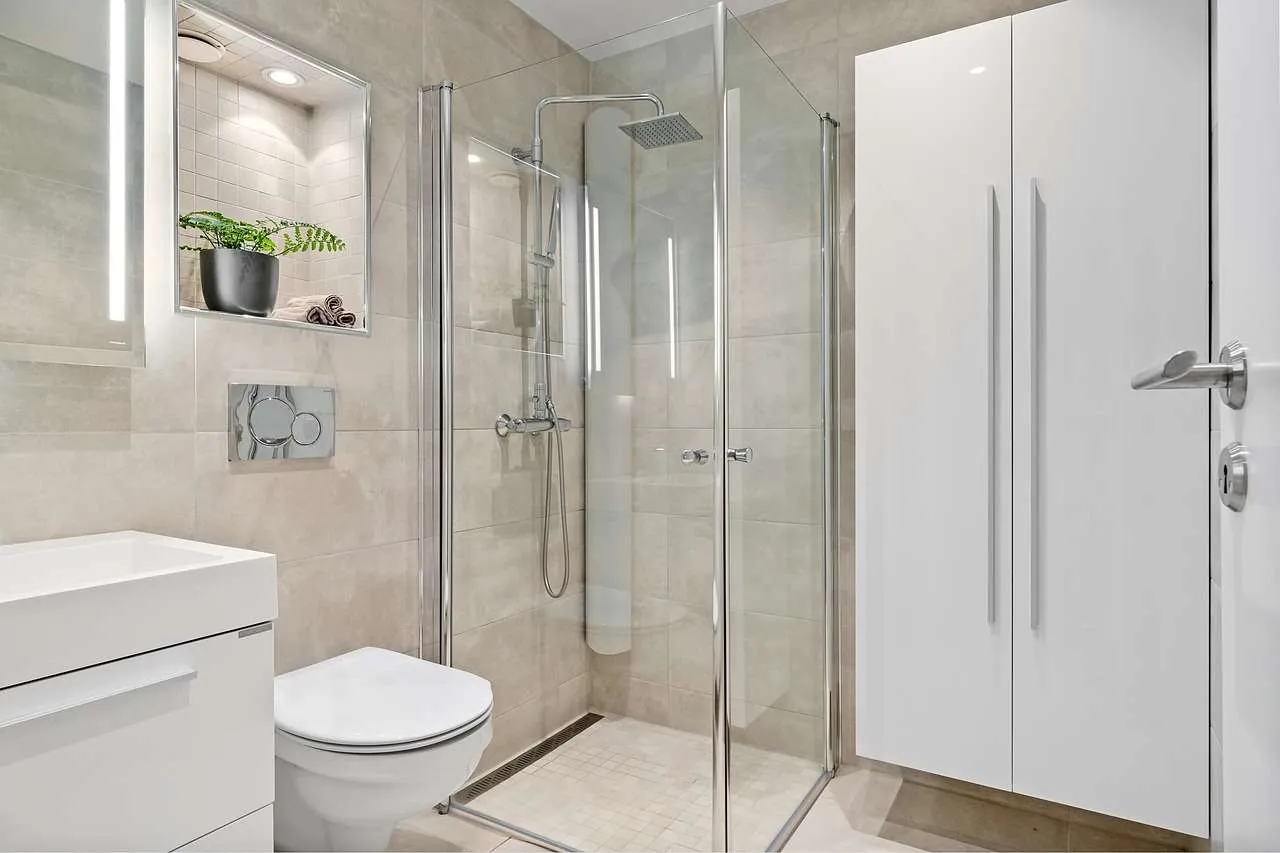
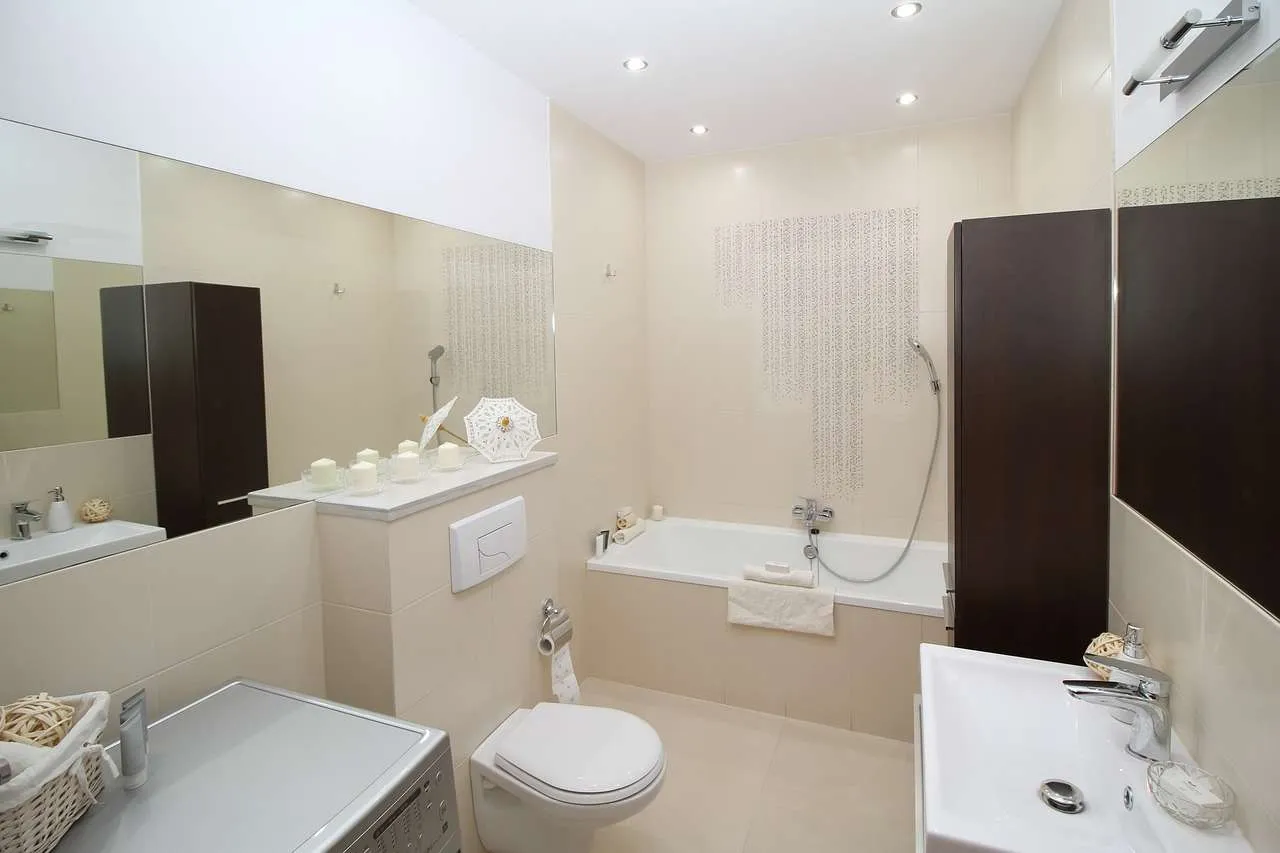
Large format porcelain and neutral tones create calm bathrooms, while warm earth shades mimic natural stone. Matte finishes reduce glare, while vibrant mosaics provide focal points in showers. Mixing textures such as wood look porcelain with glass accents is a common contemporary strategy.
Installation basics and maintenance
Plan the layout with a grid that minimizes waste and aligns with fixtures. Use proper waterproofing membranes, especially in shower areas. Stone requires sealing, while porcelain and ceramic are easier to clean. For most homes, professional installation ensures proper substrate preparation, accurate cuts and durable grouts. Daily cleaning with a pH neutral cleaner and periodic resealing for stone maintains appearance.
Cost considerations
Tile costs vary widely. Porcelain often ranges from a couple to several dollars per square foot, while ceramic is typically lower. Natural stone can be premium and requires sealing. Labor costs for installation add to the total. Plan for grout and sealant expenses and potential waste when choosing format and pattern.
Comparison of common tile types
| Type | Pros | Cons | Best For | Maintenance |
|---|---|---|---|---|
| Porcelain | Very durable, low water absorption | Higher cost, harder to cut | Floors and wet zones | Easy with neutral cleaner |
| Ceramic | Affordable, versatile | Less slip resistance sometimes | Walls and backsplashes | Moderate maintenance |
| Natural Stone | Luxurious look | Porous, needs sealing | Showers and upscale baths | Periodic sealing |
| Glass | Bright, modern | Grout can stain, slipperiness | Backsplashes and accents | Easy to clean |
| Mosaic/Small Format | Good traction, flexible layouts | Lots of grout lines | Shower niches and curved surfaces | High grout maintenance |
Conclusion
Choosing bathroom tiles blends durability with design. By understanding tile types, assessing slip and water resistance, and planning for maintenance and cost, you can create a bathroom that looks refined and stays reliable for years.
Summary: This article covered the main tile types, selection criteria, installation basics, maintenance needs and a quick comparison to help you make informed choices for durable, stylish bathroom tiles.